

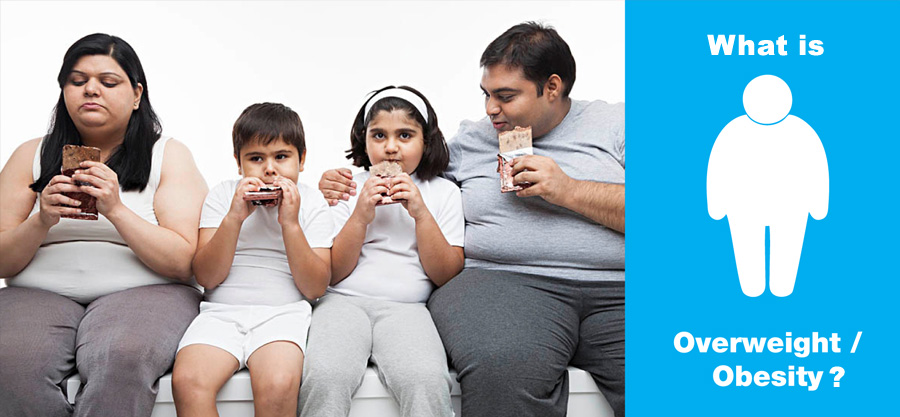
What is obesity?
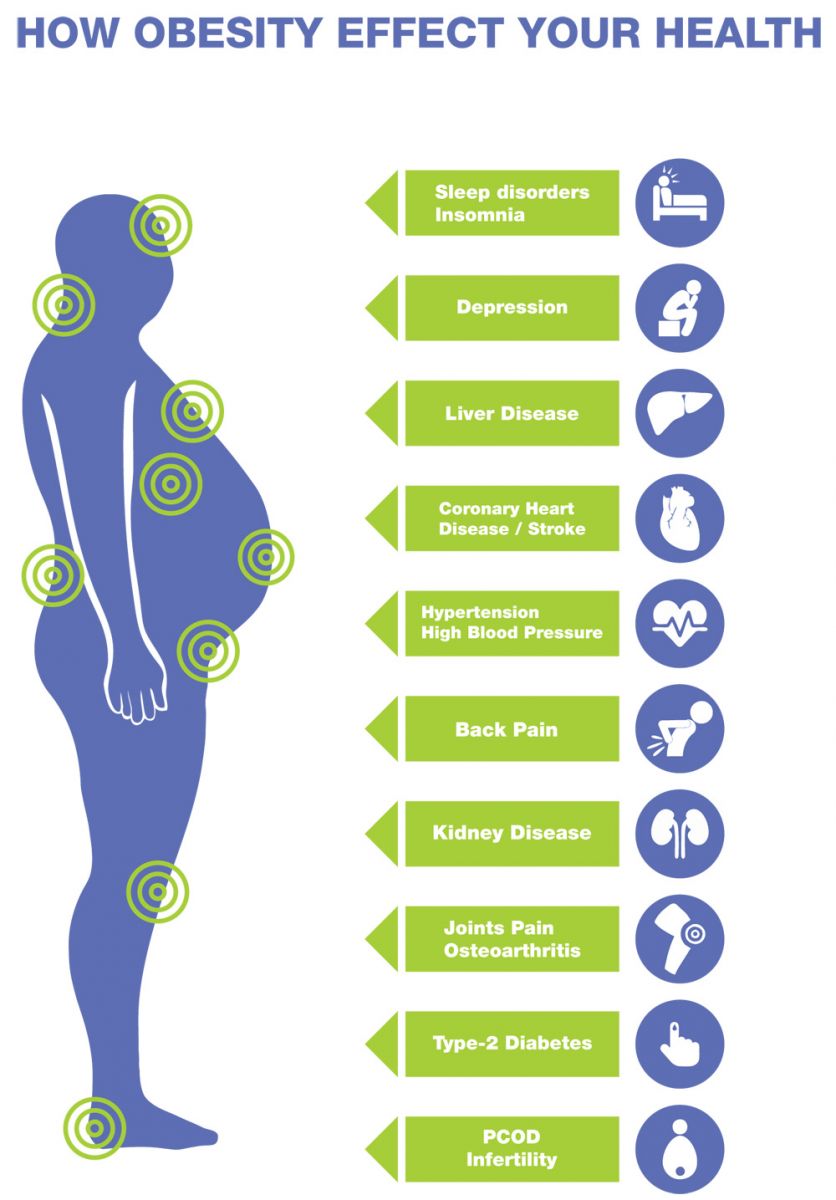
Obesity is a medical condition in which excess body fat has accumulated to the extent that it may have a negative effect on health. People are generally considered obese when their body mass index (BMI), a measurement obtained by dividing a person's weight by the square of the person's height, is over 30 kg/m2, with the range 25-30 kg/m2 defined as overweight. Some East Asian countries use lower values. Obesity increases the likelihood of various diseases, particularly heart disease, type 2 diabetes, obstructive sleep apnea, certain types of cancer, and osteoarthritis.
Obesity and its adverse effect on Quality of Life
What is quality of life (QOL)?
Quality of life (QOL) is the general well-being of individuals and societies, outlining negative and positive features of life. It observes life satisfaction, including everything from physical health, family, education, employment, wealth, religious beliefs, finance and the environment.
What is health-related quality of life (HRQOL)?
On the individual level, HRQOL includes physical and mental health perceptions (e.g., energy level, mood) and their correlates—including health risks and conditions, functional status, social support, and socioeconomic status. On the community level, HRQOL includes community-level resources, conditions, policies, and practices that influence a population's health perceptions and functional status. On the basis of a synthesis of the scientific literature and advice from its public health partners, CDC has defined HRQOL as "an individual's or group's perceived physical and mental health overtime."
How obesity effect Quality of life?
A study concluded that persons with obesity had significantly lower HRQL than those who were normal weight and such lower scores were seen even for persons without chronic diseases known to be linked to obesity. Moreover, obese older adults reported impaired quality of life in comparison with normal-weight people. In particular, they evidenced worse results on physical functioning and physical well-being. These results reinforce the importance of normal body weight in older age.
Psychological problems are a common feature of obesity. A recent study identified the strong association between depression, obesity and disability among the middle-aged, particularly in women. Other psychological disorders, such as anxiety are associated with changes in body weight.
Moreover, a mix of socioeconomic, demographic and lifestyle factors as well as individual attitudes contribute to the risk for disease and obesity in older adults

Obesity , Overweight , health